If you've started thinking about whether a retirement village might be right for your parent, you've probably also noticed how complicated the conversation can be.
Maybe your parent is resistant. Maybe they're open to the idea but don't know where to start. Maybe you're trying to raise the topic gently and not sure how. Or maybe they're already keen, and it's you who needed a moment to come to terms with what this change means.
Ageing In Place Retirement Villages has developed this guide for adult children navigating that process from the first conversation to the tour, the decision, and the move.
Starting the conversation about retirement living.

The way you introduce the topic often determines how it lands.
What tends not to work:
- Framing it as something that needs to happen because of a specific health concern ("we're worried about you after that fall")
- Presenting it as a decision that's already been made
- Comparing it to what "other people your age" are doing
- Raising it at a stressful time, in the wrong environment, or when they're tired
What tends to work:
- Framing it as exploring an option, not making a decision
- Talking about the lifestyle aspects genuinely: the community, the freedom from maintenance, the social life
- Asking questions rather than presenting arguments: "Have you ever thought about what it might look like to live somewhere with more people around?"
- Being honest about your own feelings, including if part of the conversation is about your peace of mind as much as theirs
The goal of the first conversation isn't agreement. It's openness. If they're willing to look at information or consider a tour, that's a good outcome.
Involving them in the process, not managing it. This is their decision. Your role is to support it, not make it for them.
If they're open to exploring options, let them lead where possible. Ask which villages they'd like to visit. Ask what matters most to them. Don't have private conversations with village staff about your parent's situation without their knowledge.
People who feel that retirement living is being chosen for them rather than by them often regret the move, even when the outcome would otherwise have been positive. People who feel fully in control of the decision, who visited villages they liked, who took the time they needed, who had their questions answered, tend to settle in far more happily.
What to look for on a retirement village tour
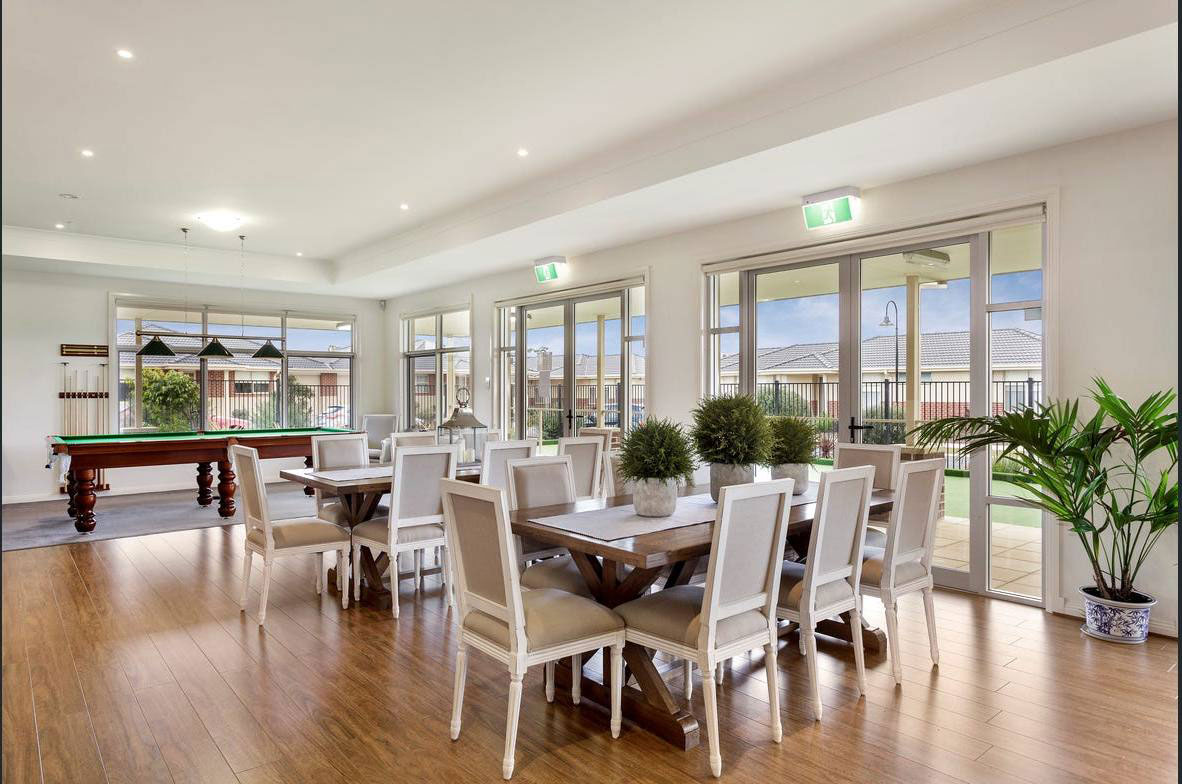
When you visit a retirement village together, here are the things worth noticing:
- The social atmosphere. Are residents out and about? Do they seem engaged with each other and the staff? Does it feel like a genuine community or an institution?
- The physical environment. Are the grounds well maintained? Are the communal facilities actually used? Does the villa feel like a home someone would be comfortable in?
- The staff. Are the people you meet warm, unhurried, and genuinely knowledgeable? Do they seem to know residents by name? A good team is the single most important factor in village life quality.
- Onsite care. Does the village have nursing care on site? This matters enormously for long-term security, particularly if health needs might change. A village where your parent can transition to nursing care without leaving the community means they won't have to uproot again at a harder time.
- Your parent's reaction. Watch what engages them. What do they ask questions about? What do they dismiss? What makes them light up? Their instinctive response to a place is worth a great deal.
Financial considerations when choosing a retirement village
Retirement village finances can be complex, and the stakes are high. Before any contract is signed:
- Make sure your parent has read or has been walked through the formal Information Statement
See examples of information statements from Ageing In Place Retirement Villages
- Engage an independent solicitor to review the contract
- Consider speaking with a financial adviser who specialises in retirement and aged care to understand the Centrelink implications, the deferred management fee, and the long-term cost overview.
- Understand the exit process: how the unit is sold, who manages it, and what costs apply when they leave.
If your parent is happy to have you involved in these conversations, that's ideal. If not, make sure they have access to independent advice, even if you're not in the room.
Managing your own feelings about your parents moving to a retirement village
It's worth naming this, because it's real: for adult children, a parent's move to a retirement village can bring up complicated feelings: grief about the family home, concern about whether the decision is right, guilt about not being the one providing care, or simply the strangeness of a parent's life changing in a significant way.
All of these feelings are valid, but try not to let them drive the conversation or the timeline.
The most helpful way to think about it is that if your parent moves to the right village, at a time when they choose to go, their quality of life often improves significantly. More social connection, more security, less stress about the house. A move that may feel like a loss at first often turns into something genuinely good.
A word on hesitation

If your parent is resistant to the idea of a retirement village, that resistance usually comes from one of a few places:
- Pride and identity: "I'm not old enough for that." Acknowledge this. Talk about the people who are already there, often far younger and more active than the stereotype.
- Fear of loss: "I don't want to leave my home." This is real. Sit with it rather than arguing against it. Ask what they'd need to feel comfortable, rather than trying to overcome the objection.
- Not enough information: Sometimes resistance dissolves after a tour. "I thought it would be like a hospital" is something we hear regularly. Seeing the reality changes things.
There's no right timeline. If they're not ready, they're not ready.
Our team at Ageing in Place has helped hundreds of families navigate exactly this process. We're not in a hurry; we don't apply pressure, and we genuinely believe the right decision, made at the right time by the person whose life it is, is far better than a rushed one.
We're happy to answer questions from adult children directly, or to have a conversation together with your parent at a pace that works for everyone.
While looking online is a great starting place, nothing beats seeing things for yourself. Inspections with or without your parents are welcome.
Book a tour via the links below or call us directly on 03 9822 9505.