Downsizing is one of the biggest decisions in the lead-up to retirement, and one of the most emotional. It's not just about square metres; it's about letting go of a family home full of memories while making a practical, financial and lifestyle decision for the years ahead. This guide walks through why people downsize, how to approach it practically, and what to consider if a retirement village is part of the plan.
Why people downsize
The reasons vary, but a few come up again and again:
- Less maintenance. A large house and garden take real time and money to maintain. Many retirees find they'd rather spend their time on hobbies, family and travel than on gutters, lawns and repairs.
- Unlocking equity. For many people, the family home is their largest asset. Downsizing can free up funds for retirement, whether that's for daily living, travel, helping family, or simply financial peace of mind.
- A home that fits your life now. A four-bedroom house made sense when the kids were growing up. It might not make as much sense once they've moved out and the spare rooms mostly collect dust.
- Preparing for the future. Some people downsize proactively, well before they need to, choosing a home and community that will still suit them as they age, rather than waiting for a health event to force a rushed decision.
When is the right time to downsize?

There's no single right answer, but a few signs suggest it might be time to start seriously considering downsizing:
- The house feels too big, too empty, or too much work
- Stairs, a large garden or general upkeep are becoming harder to manage
- You're financially motivated to unlock equity from the family home
- You're craving more community and social connection than a quiet street offers
- You want to make the decision on your own terms, rather than in a crisis
The practical side of downsizing

Downsizing is as much a project as it is a decision. A few things worth planning for:
- Sort before you pack. Most people find they own far more than they need. Give yourself time, ideally months rather than weeks, to go through belongings and decide what actually comes with you.
- Get a realistic valuation. Understanding what your current home is worth (and what it will cost to sell, including agent fees) helps you plan your budget for the next stage.
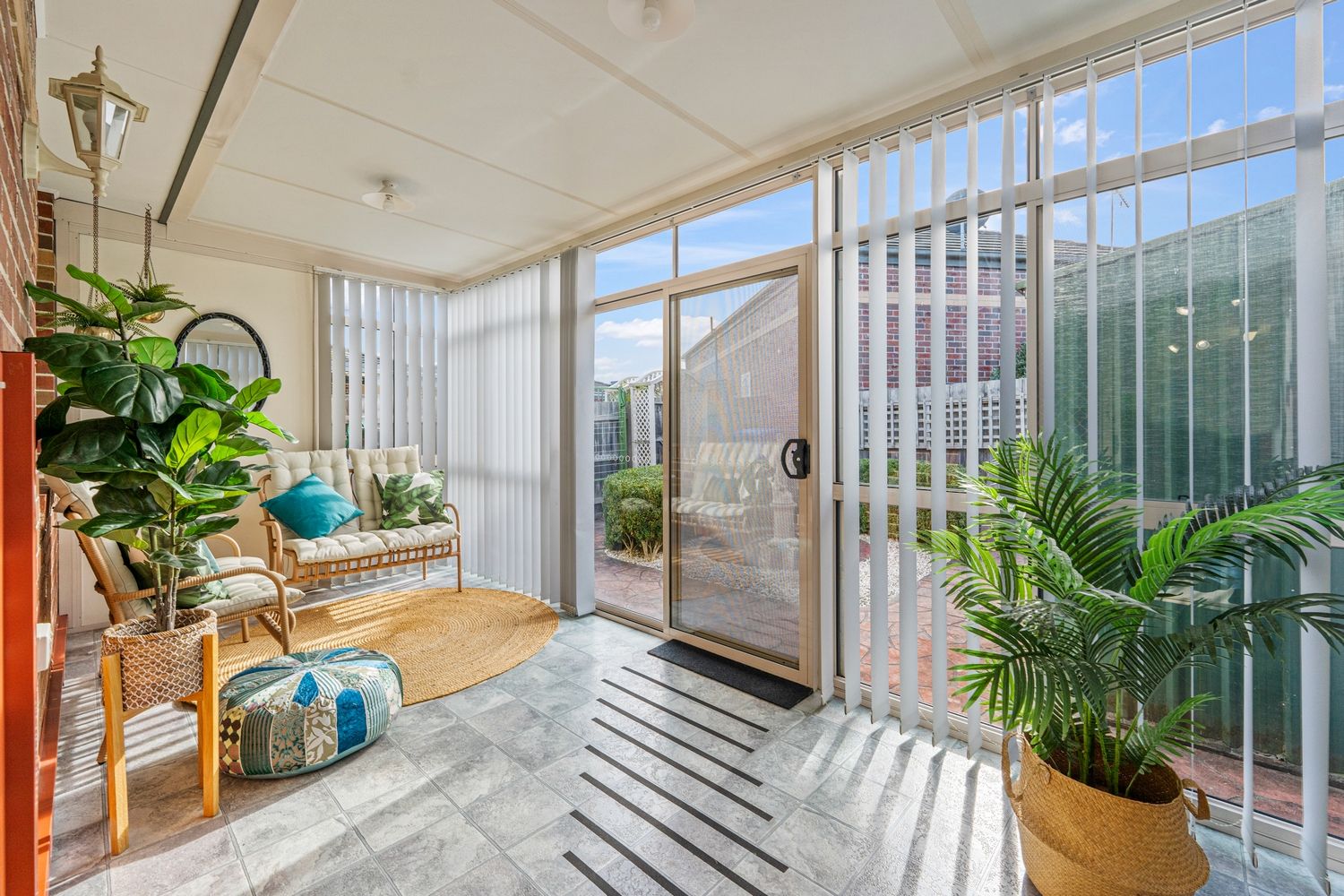
- Think about layout, not just size. A smaller home isn't automatically the right fit. Consider single-level living, low-maintenance outdoor space, and proximity to healthcare and family.
- Factor in ongoing costs, not just the move. Whatever you downsize into, whether that's a smaller house, an apartment or a retirement village, look at ongoing costs (rates, body corporate, village fees) alongside the upfront numbers.
Where downsizing leads: retirement villages as an option
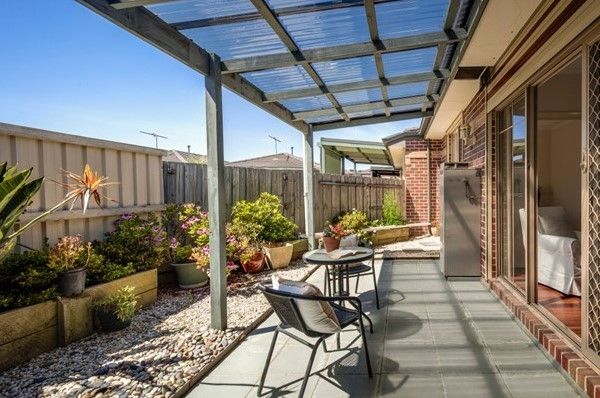
For many people, downsizing eventually leads to the question of whether to buy another (smaller) house, or move into a retirement village. A retirement village offers a different trade-off: you generally pay an entry contribution rather than buying outright, but in return you get low-maintenance living, a built-in community, and often access to on-site facilities and care that a standalone house can't offer.
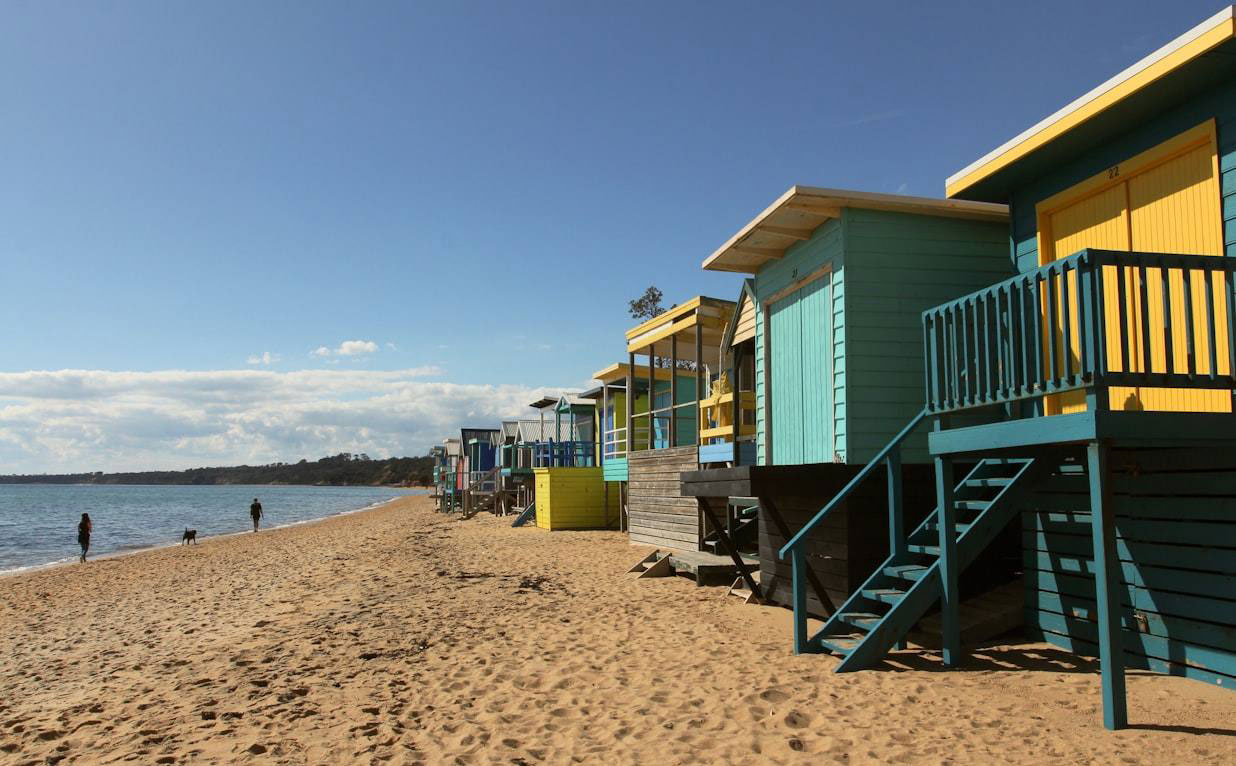
This is where it pays to think ahead. Villages that include an on-site nursing home, like all three Ageing in Place communities in Berwick, Carrum Downs and Mount Martha, mean that if your care needs change later, you won't face another disruptive move. You can transition from independent living to nursing care within the same grounds, keeping your community and routine intact.
Making the emotional side of downsizing easier
Downsizing from a family home is rarely just a logistics exercise. Give yourself permission to feel mixed emotions. A few things that help:
- Involve family in sorting through belongings, especially items with sentimental value
- Take photos of the home and garden before you leave, as a way of holding onto memories without holding onto the physical space
- Focus on what you're moving toward, not just what you're leaving behind
- Visit potential new communities more than once, at different times of day, to get a genuine feel for them
Next steps: Tour a retirement village and do your research
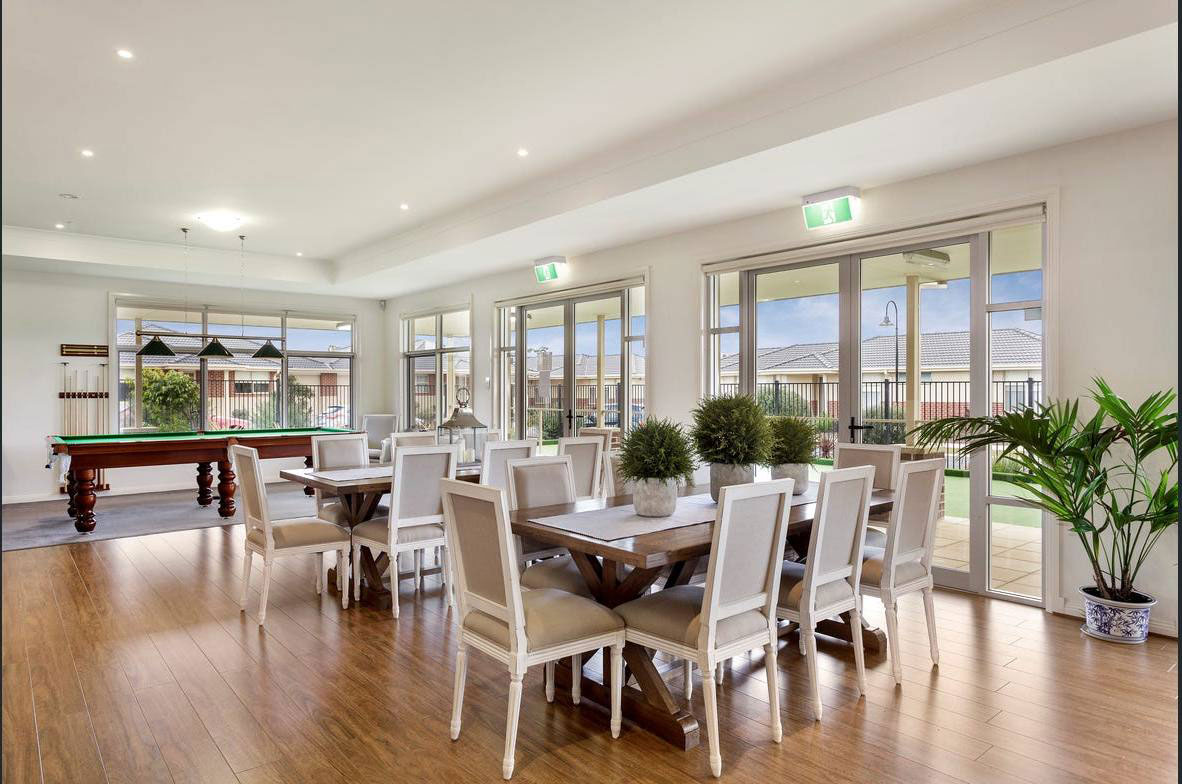
If downsizing has you thinking about a retirement village, the best next step is to see one in person. Book a relaxed, no-pressure tour at Berwick, Carrum Downs or Mount Martha, meet residents, and get a real sense of what everyday life looks like.